Skip to content
Florida Construction Loansby The Built Mortgage Team

Florida Construction Financing · The Built Mortgage Team

Florida Construction Loans

Build your Florida home with financing designed for construction.

Whether you're buying land and building, already own your lot, or are exploring a VA or conventional construction loan, The Built Mortgage Team can help you understand your financing options from land acquisition through completed construction.

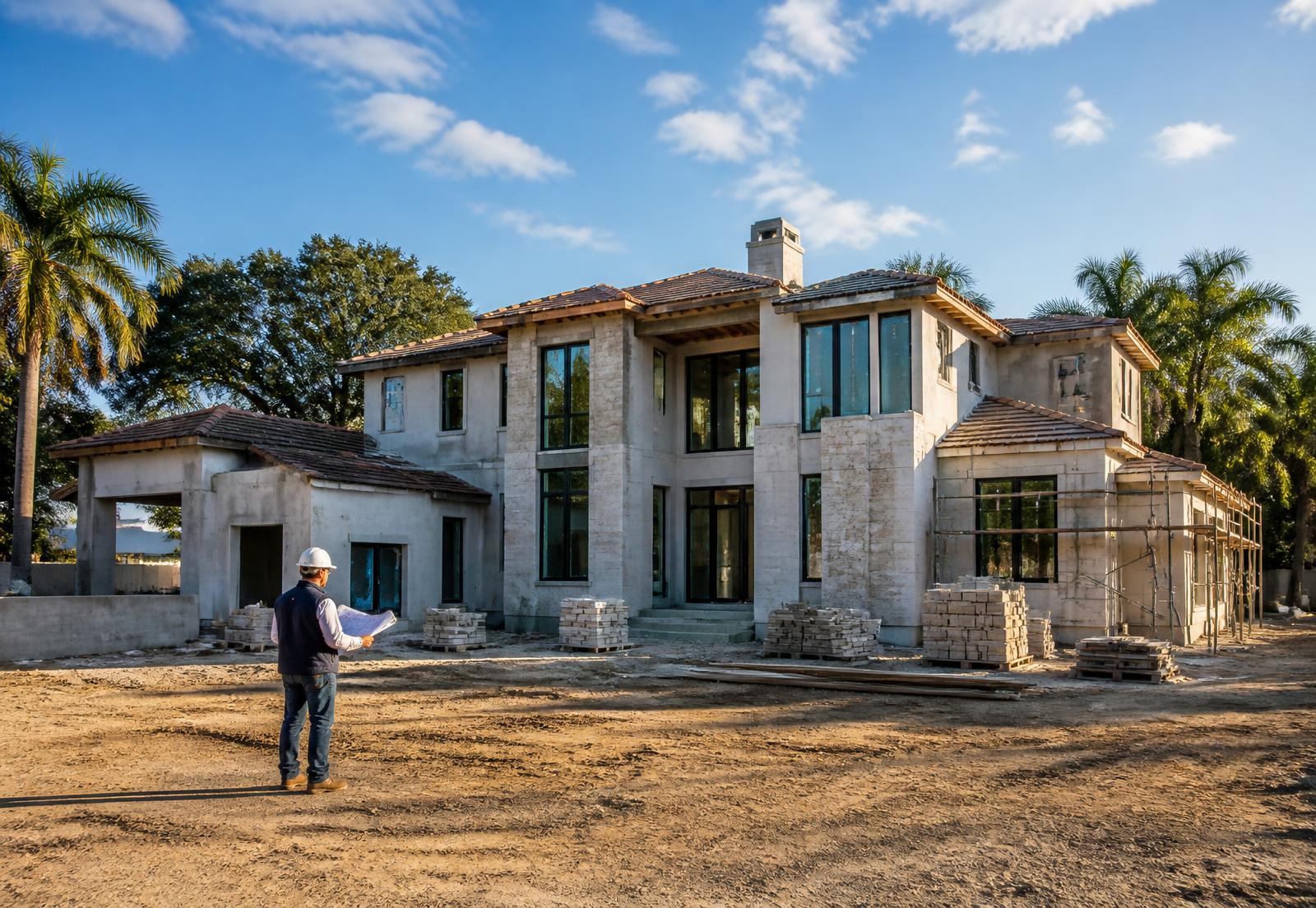
Upscale Florida custom home under construction with light stucco and limestone walls, large window openings and a tile roof going on

Planning your build

Building a home in Florida?

Financing a home you are building works differently from buying a house that already exists. On a normal purchase, the lender is looking at a finished property with a known condition and a sale price. With construction financing, the home being valued does not exist yet, so the loan is underwritten against plans, specifications, a line-item construction budget and an appraisal of what the completed home is expected to be worth on that specific Florida lot.

Money also moves differently. Instead of one lump sum at closing, construction financing is disbursed in draws as work is completed and verified — slab, framing, dry-in, mechanical rough-ins, finish work. That protects everyone involved by keeping the loan balance aligned with the value that is actually standing on the property.

Depending on the loan program, construction financing can potentially cover both the land acquisition and the construction costs, so you are not arranging lot financing in one place and building funds somewhere else. Whether that is possible for your project depends on the program, the parcel, the appraisal and lender guidelines. For a fuller walkthrough of how the pieces fit together, see how construction loans work in Florida.

Borrowers who already own their land are in a different position again. The value you hold in that lot may be able to work as part of the transaction rather than requiring the same cash you would need on a purchase — one of the reasons some Florida landowners find building more attainable than they initially expected. Whether land value can offset cash needed at closing still depends on the program, the appraisal and lender guidelines. See how building on land you already own works, or read more about using land as a down payment on a construction loan.

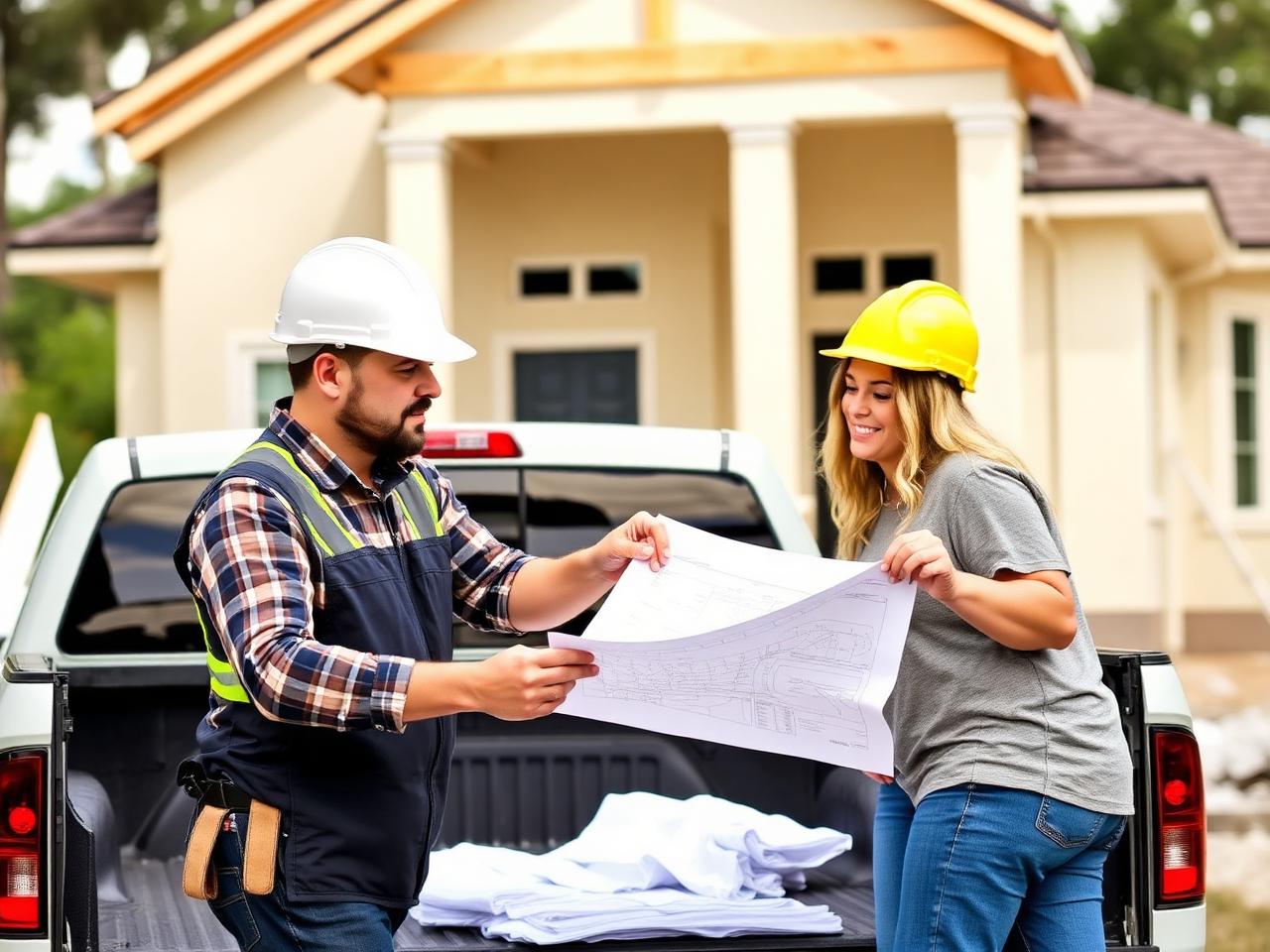
Builder and homeowners reviewing construction plans at a Florida home construction site

Florida custom home financing

Florida construction loan options

Different projects call for different structures. These are the paths we most often review with Florida borrowers, from acquiring a lot and building on it to using land equity for construction you already own. Eligibility, terms and availability depend on the program, the property and lender guidelines, and program guidelines are subject to change.

The construction process

How a Florida construction loan works

Seven stages, from the first conversation to the day the financing becomes your permanent mortgage.

  1. STEP 01

    Prequalification

    We review income, assets, credit, property plans, estimated construction costs and your financing goals.

  2. STEP 02

    Select Your Builder

    Select the builder you plan to work with. Your builder will be an important part of the financing process, and we'll help coordinate the documentation required by the loan program.

  3. STEP 03

    Plans, Specifications & Budget

    We collect plans, specifications, the construction contract, the line-item budget and other required documentation.

  4. STEP 04

    Appraisal & Underwriting

    The proposed completed home is appraised based on plans, specifications, the land and comparable properties.

  5. STEP 05

    Closing

    You complete the construction loan closing and the draw schedule is put in place.

  6. STEP 06

    Construction

    Funds are released through construction draws as work progresses, subject to program and lender requirements.

  7. STEP 07

    Completion

    Construction is completed and the financing moves into its permanent phase according to the loan structure.

Want the longer version, including what happens at each draw?

See the Complete Construction Loan Process
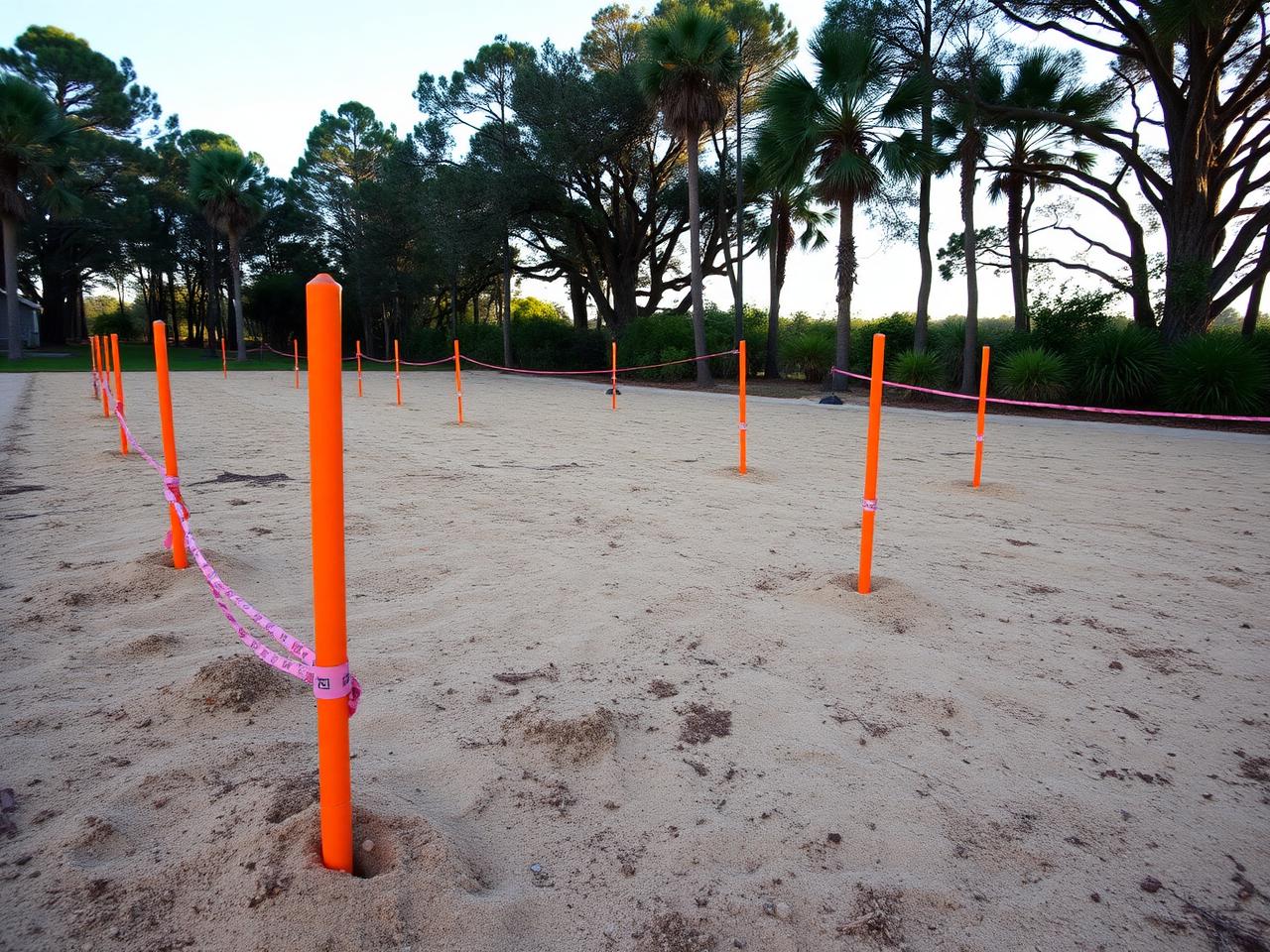
Cleared Florida residential building lot marked with orange survey stakes and flagging tape

Land equity

Already own your land?

If you already hold a lot in Florida — bought years ago, inherited, or carved out of family property — you may be further along than you think. Borrowers who already own their land may be able to use the existing value or equity in that lot as part of the financing structure, depending on the loan program, the appraisal and lender guidelines.

In practice that means the appraised value of your land is considered alongside construction costs when the transaction is structured, rather than treating the lot as a separate cash purchase. How much of that value counts depends on how long you have owned the parcel, how it was acquired, whether there is a loan against it, and what the as-completed appraisal supports.

This applies whether the lot has sat vacant for years, came to you through inheritance, or was split off from a family parcel. It can also apply to acreage with well and septic already in place, or a cleared homesite waiting on a builder. If any of that sounds like your situation, Already Own Land? Start Here to see how a build on your own land transaction is typically structured, subject to lender and program guidelines.

For veterans & service members

VA construction loans in Florida

Eligible veterans, active-duty service members and certain surviving spouses may have construction financing options using their VA eligibility, subject to entitlement, lender and program guidelines. VA construction financing is intended for a primary residence, and it follows VA rules on the builder, the appraisal, plans and specifications, and how the loan transitions into permanent financing. For veterans who already hold a lot, construction financing for owned land may be structured differently than a scenario where land still needs to be purchased — see the full VA construction loans Florida guide for details.

Borrowers typically ask about these points:

  • Building a primary residence. VA financing is for a home you intend to occupy, not an investment property or second home.
  • Purchasing land in conjunction with construction. Depending on the structure, lot acquisition may be addressed as part of the transaction.
  • Building on land already owned. Existing land value may factor into the financing rather than requiring a separate cash contribution.
  • Builder requirements. The builder generally must be licensed, insured and acceptable under program guidelines, with a signed construction contract.
  • VA appraisal. The completed home is appraised based on plans, specifications and comparable properties.
  • Plans and specifications. Complete drawings and a detailed budget are required before underwriting can be finished.
  • Construction draws. Funds are released in stages as work is completed and verified.
  • Transition to permanent financing. At completion the loan moves into its permanent phase according to how it was structured.

Because not every lender offers VA construction financing, and because the details matter, the practical first step is confirming eligibility and reviewing the specific project.

Building in Florida

Florida-specific construction considerations

Building in Florida raises questions that rarely come up elsewhere. These are the ones that most often affect how a construction loan is structured, budgeted and approved. This is financing perspective — not legal, insurance or building-code advice.

Flood zones and flood insurance

A parcel's flood zone designation can affect elevation requirements, construction cost and whether flood insurance is required. Lenders need the completed home to be insurable, and flood-related costs need to appear in the budget rather than surfacing mid-build.

Windstorm and hurricane insurance

Wind mitigation features, roof design, opening protection and construction materials can influence windstorm premiums and, in some coastal counties, whether coverage is readily available at all. Getting quotes early helps avoid budget surprises later.

Coastal construction

Coastal parcels can involve additional review — elevation, setbacks, coastal construction control line requirements and comparable sales. From a financing standpoint the key issues are appraisal support, insurance and whether the budget reflects coastal construction realities.

Homeowners insurance availability

Beyond wind and flood coverage, general homeowners insurance availability and pricing vary by county and by carrier. Lenders typically want to see that adequate coverage is obtainable for the completed home before finalizing the loan.

Well, septic and utilities

Rural and semi-rural parcels often need a well and septic system rather than connecting to municipal water and sewer. Percolation tests, permitting and installation costs should be itemized in the budget rather than treated as an afterthought.

Surveys and permitting timelines

A current survey is typically required, and permitting timelines vary widely across Florida counties and municipalities. Permit review, plan revisions and the certificate of occupancy all interact with the draw schedule.

Construction inspections

Draws are generally tied to inspections at defined milestones — slab, framing, dry-in, mechanical rough-in and final. Scheduling delays on inspections can affect how quickly draw requests move, so builders and inspectors need to coordinate.

Builder documentation and timelines

Licensing, insurance, the signed construction contract and a realistic completion schedule are all reviewed. Construction loans have finite terms, so a schedule that reflects real Florida permitting and material lead times matters.

Proposed construction appraisals

Instead of valuing an existing house, the appraiser values the home as it will exist once built, based on plans, specifications and comparable properties. Appraisal support can vary by market, which is worth confirming before a build contract is signed.

These items rarely act alone — a coastal, well-and-septic lot with a tight permitting window needs a budget and timeline that account for all of them together. If you want to see how that fits into the wider sequence, read the Florida construction loan process, or if you're still shopping for a parcel, see how buyers typically buy land and build a house in Florida.

Alternative construction

Florida barndominium financing

Barndominiums have become a genuine option on rural and semi-rural Florida acreage, but financing one is not identical to financing a traditional site-built home. Eligibility can depend on the construction method, the appraisal and available comparable properties, the plans and specifications, the builder, the characteristics of the parcel, and lender guidelines.

The most common sticking point is appraisal support: the completed structure needs to be valued as residential real estate, with comparable sales that back it up. That is a solvable question in many Florida markets, but it is worth answering before you sign a build contract.

Explore Florida Barndominium Financing
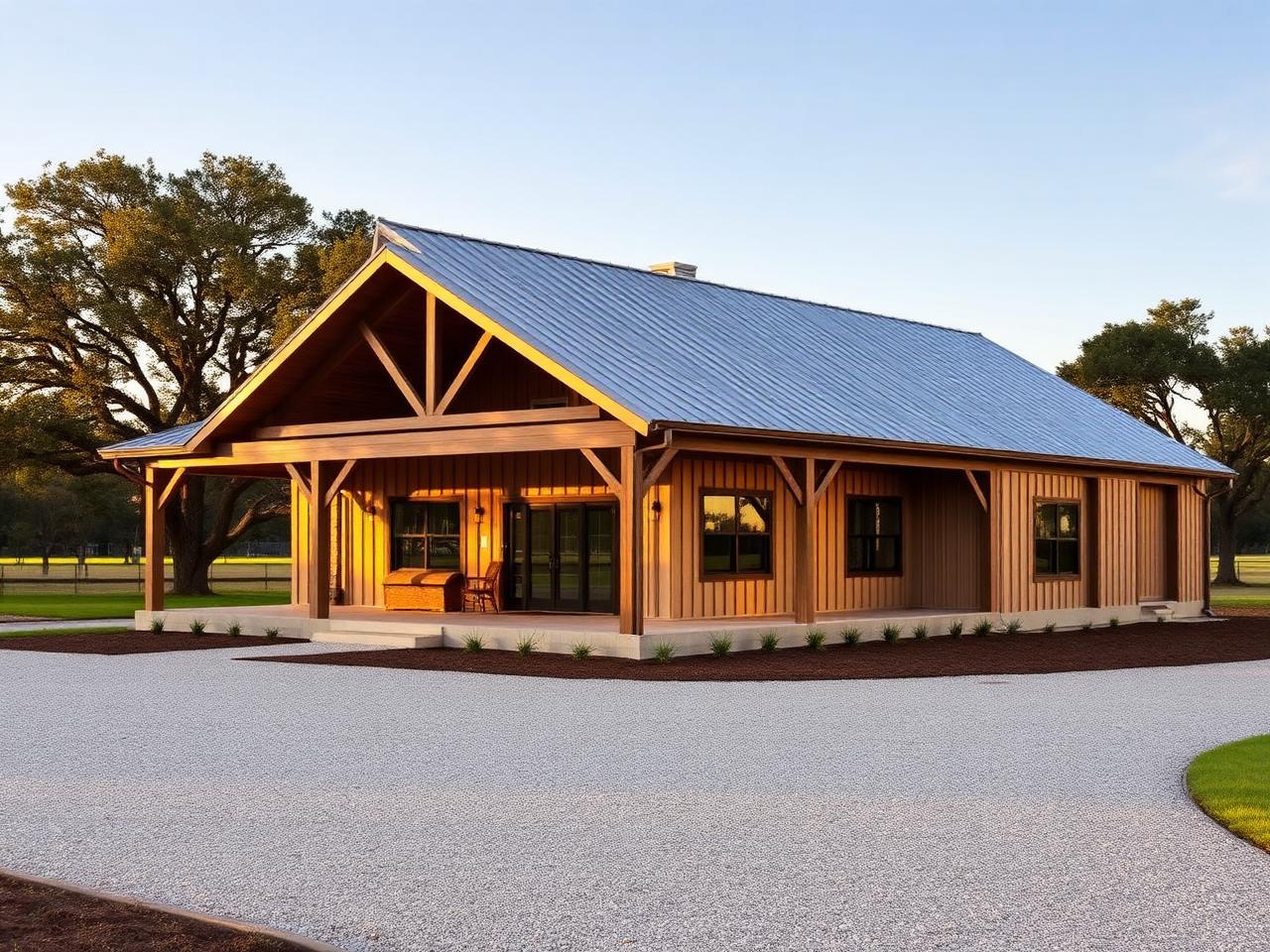
Modern Florida barndominium with a metal roof, vertical siding and a covered porch on a rural lot

Where we lend

Where we lend in Florida

We provide mortgage financing throughout Florida, subject to licensing and program availability. That includes the major metros as well as the rural and semi-rural parcels where much of the state's custom construction actually happens.

See Florida service areas
  • Jacksonville
  • Tampa
  • Orlando
  • Sarasota
  • Naples
  • Fort Myers
  • Miami
  • Fort Lauderdale
  • Palm Beach
  • Tallahassee
  • Pensacola
  • Ocala
  • Gainesville
  • Daytona Beach
  • Space Coast
  • Florida Panhandle

Working with us

Why The Built Mortgage Team

Construction financing takes more coordination than a standard home purchase. There are more documents, more parties and more moving pieces between prequalification and the final draw.

Construction financing experience

Construction lending is a specialty, not a side product. We work with construction and construction-to-permanent transactions regularly.

We know the documentation

Plans, specifications, cost breakdowns, contracts, builder licensing and insurance — we review them early rather than discovering gaps in underwriting.

Multiple program options

VA, conventional, one-time close, land plus construction and jumbo structures all behave differently. Matching the project to the structure matters.

Communication with borrowers and builders

Builders have questions too. Keeping everyone on the same page about draws and documentation keeps projects moving.

Guidance through the whole process

From the first prequalification conversation through the transition to permanent financing, you have a point of contact who knows the file.

Comfortable with unusual scenarios

Inherited land, acreage with an existing loan, barndominiums, rural site work — we are willing to evaluate projects that are not cookie-cutter.

Florida Construction Loans is the Florida construction financing resource operated by The Built Mortgage Team.

Common questions

Florida construction loan FAQ

Straight answers to the questions borrowers ask most often before they start building.

Read the full FAQ

How do construction loans work in Florida?

A construction loan finances a home that does not exist yet, so it is underwritten against plans, specifications and a construction budget rather than an existing house. After closing, money is not handed over in a lump sum. It is released in stages called draws as identifiable work is completed and verified, which keeps the loan balance in line with the value actually built on the site. Depending on the program, the loan either converts to permanent financing at completion or is paid off by a separate permanent mortgage.

How much down payment do I need for a Florida construction loan?

There is no single figure. The required down payment or equity contribution depends on the program you qualify for, the total project cost, the appraised value of the completed home, your credit profile and lender guidelines. Conventional construction programs generally require a meaningful down payment, jumbo programs typically require more, and eligible veterans using VA construction financing may have options with little or no down payment. The most reliable way to get a real number is a prequalification review of your specific project.

Can I buy land and build a house with one loan?

In many cases, yes. Some construction loan structures allow land acquisition and construction costs to be financed together, so you purchase the lot and fund the build under a single transaction instead of arranging separate land financing first. Whether that is available to you depends on the program, the lot itself, the purchase contract, the appraisal and lender requirements. If a combined structure is not a fit, buying the land first and financing construction afterward is a common alternative.

Can I use land I already own as my down payment?

Often the equity you hold in land you already own can be counted toward the transaction rather than requiring the same cash you would need on a purchase. Instead of contributing cash for the lot, the appraised value of the land is considered as part of the overall project value. How much of that value can be used, and whether it fully replaces a cash down payment, depends on how long you have owned the land, how it was acquired, whether it is free and clear, the appraisal and the program guidelines.

Can veterans get construction loans in Florida?

Eligible veterans, service members and certain surviving spouses may be able to use VA eligibility to build a primary residence in Florida. VA construction financing follows VA rules on occupancy, the builder, appraisal of the proposed construction, plans and specifications, and how the loan transitions into its permanent phase. Because not every lender offers VA construction financing, and because program details vary, the first step is confirming eligibility and reviewing your project.

Can I use a VA loan to build a house in Florida?

VA eligibility can be applied to new construction of a primary residence, including situations where you already own the lot and situations where the land is being acquired in connection with the build. The home must be intended as your primary residence, the builder and construction documentation must meet program requirements, and the completed home is appraised based on plans and specifications. Our Florida VA construction loan page explains the process in more detail.

Can I finance a barndominium in Florida?

Barndominium financing is possible but is evaluated more carefully than a conventional site-built home. Lenders look at the construction method and materials, whether the finished property will appraise as residential real estate, whether comparable properties exist in the area, the plans and specifications, the builder, and the zoning and permitting of the parcel. Post-frame and metal-framed structures are not automatically excluded, but they are not automatically eligible either.

Does a construction loan include the cost of the land?

It can, depending on the structure. Some programs finance land acquisition and construction together. If you already own the land, its value is usually incorporated into the transaction rather than financed as a purchase. If the land carries an existing loan, that balance is generally addressed as part of the construction financing. The right answer depends on your program and how the lot was acquired.

How does a construction loan appraisal work?

Because there is no finished home to inspect, the appraiser reviews the plans, specifications, construction contract and budget along with the land, and forms an opinion of what the property will be worth once built as described. That is often called a subject-to-completion or as-completed appraisal. The resulting value is a major input into how much can be financed. If the completed value comes in lower than the total project cost, the gap generally has to be covered by the borrower or the plan has to be adjusted.

Does my builder need to be approved?

Generally, yes. Most construction loan programs include a review of the builder as part of the approval process. What that review involves varies by lender and program: many ask for licensing, insurance, experience with similar projects, references, a signed construction contract and a detailed cost breakdown, and some also look at the builder's financial stability. Owner-builder arrangements, where the borrower acts as their own general contractor, are handled differently from program to program — some lenders will consider them case by case, while others do not. The requirements that apply to your project depend on the specific program you use.

Discuss your construction project

Tell us where you're building, whether you own the land, and roughly what the project will cost. We'll come back to you with the construction financing options worth considering — no obligation.

  • Buying land and building on it
  • Building on a lot you already own
  • Using VA eligibility to build a primary residence
  • Custom, jumbo or barndominium projects
Do you already own the land?

No obligation and no credit pull to start. Please don't send Social Security numbers or account numbers through this form.

By submitting this form you agree that Built Commercial LLC DBA The Built Mortgage Team may contact you by phone, email or text message about your inquiry. Message and data rates may apply; message frequency varies. Reply STOP to opt out of text messages. You can also reach us at (804) 615-0873 or team@built-mortgage.com. Powered by Motion Mortgage Inc. NMLS #358334. Equal Housing Lender.