
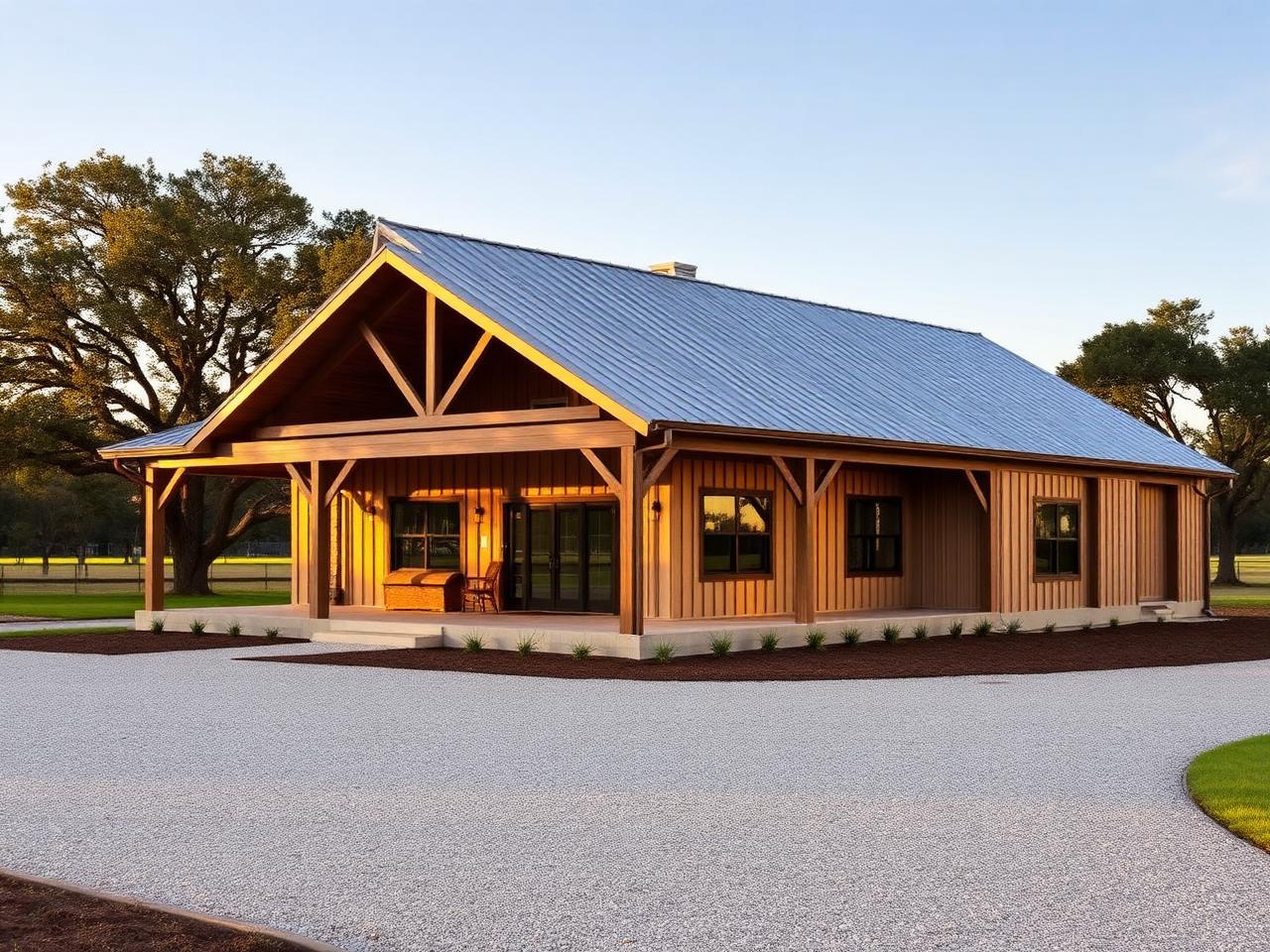
What counts as a barndominium for financing purposes
For lending purposes, "barndominium" generally describes a post-frame or metal-frame structure built as a full-time residence, often combining finished living space with an attached shop, garage or storage area. The label matters less than the substance: lenders and appraisers look at the construction type, whether the structure is designed and permitted for year-round residential occupancy, and how it compares to homes that have actually sold nearby. A metal building converted into living quarters without proper permitting is a different conversation than a purpose-built residential post-frame home.
Why these projects are harder to finance than stick-built homes
Two things drive most of the difficulty. First, appraisal — post-frame residential construction is less common in many Florida counties, so finding truly comparable recent sales can take longer and sometimes requires the appraiser to look outside a typical search radius. Second, lender familiarity — not every construction lender has experience underwriting this property type, and some avoid it altogether. Neither issue is disqualifying, but both argue for working with a lender and appraiser who have handled similar projects before.
The appraisal challenge
Comparable sales scarcity is the single biggest friction point. What tends to help: a detailed, professional cost breakdown from the builder; recent sales of similar post-frame homes even if they're further away than usual; and photos or documentation of comparable finished interiors, since the exterior alone can undersell the quality of the living space. Appraisers are generally willing to do this work, but it takes longer than a standard subdivision appraisal, so building extra time into your schedule is worthwhile.
Residential versus agricultural or commercial classification
Zoning and county classification affect financing directly. A structure permitted and assessed as agricultural or accessory use is a different asset than one classified as a residential dwelling, even if it looks similar from the road. Before finalizing plans, confirm with the county how the finished structure will be classified and permitted, since this affects both what the lender will consider financeable and how the property is later assessed for tax purposes.
Wind load, structural expectations and insurance
Florida's wind-load requirements apply to post-frame and metal-frame residential construction just as they do to conventional builds, and meeting them affects both the appraisal and the insurability of the finished home. Insurance availability is often the practical gating factor: lenders typically require assurance that adequate homeowners and, where applicable, windstorm coverage can be obtained before they'll finalize the loan. It's worth having a conversation with an insurance agent about a specific build early, rather than assuming coverage will be straightforward to arrange.
Builder experience matters more than usual
A builder who regularly constructs post-frame residential homes tends to produce more complete plans, specifications and cost documentation — exactly what a construction lender needs to underwrite the loan and what an appraiser needs to support value. A builder new to this construction type isn't automatically a problem, but expect more back-and-forth on documentation if that's the case.
Finished living space versus shop or storage area
Appraisers generally give more weight to finished, climate-controlled living area than to attached shop, garage or storage space when estimating value. A barndominium with a modest living area attached to a large unfinished shop may not appraise as favorably, dollar for dollar, as a similarly sized home with a higher proportion of finished space. This ratio is worth discussing with your builder and lender while plans are still being finalized, since it directly affects how much the loan can support.
Acreage, well and septic
Barndominiums are often built on larger rural or semi-rural Florida parcels, which frequently means a private well and septic system rather than municipal utilities. These add cost and permitting steps that belong in the construction budget from the start. Acreage itself can also affect the appraisal, since very large parcels sometimes require the appraiser to separate land value from the value of the home in ways a standard subdivision lot would not.
Loan structures that may fit
Depending on the lender, the specific property, and program guidelines in effect at the time, options for a Florida barndominium may include:
- Conventional construction loans. Often the starting point for a barndominium classified and appraised as a standard residential property — see our conventional construction loans page for how these are generally structured.
- One-time close construction-to-permanent financing. A single closing that carries the loan from construction through the permanent mortgage, discussed in more detail on our one-time close construction loans page.
- Building on land you already own. If you already hold the parcel, its equity may factor into the transaction — see building on your own land for how that typically works.
- Jumbo financing. For larger, higher-cost barndominium projects that exceed conforming loan limits, jumbo construction programs may apply, subject to lender-specific guidelines for this property type.
Availability of any of these structures depends on the lender, the property's classification, the builder, and your individual qualifications — see our construction loan requirements page for the general documentation involved.
Questions borrowers ask about barndominium financing
What is considered a barndominium for financing purposes?
Generally, a post-frame or metal-frame residential structure that combines living space with a barn-style or shop-style exterior. Lenders and appraisers are typically less concerned with the label and more concerned with the construction type, whether it's built for year-round residential occupancy, and how it compares to other homes that have sold nearby.
Why are barndominiums harder to finance than a stick-built home?
The main challenges are appraisal — because comparable sales are scarcer in many Florida counties — and lender familiarity with post-frame construction. Neither makes financing impossible, but both mean the process may take more documentation and a lender comfortable with the property type.
Does zoning affect whether I can finance a barndominium?
Yes. The parcel needs to be zoned and permitted for a residential structure, not just agricultural or accessory use. A structure that reads as a shop or agricultural building to the county rather than a residence can complicate both permitting and financing.
How does insurance affect barndominium financing?
Insurability is often a gating factor. Lenders generally require confirmation that adequate homeowners and, where applicable, windstorm coverage can be obtained before closing. Metal-frame structures aren't automatically harder to insure, but availability and cost vary by insurer, wind zone and construction details.
Does the ratio of living space to shop or storage space matter?
It can. Appraisers generally weigh finished, climate-controlled living area more heavily than attached shop, garage or storage space when estimating value. A barndominium with a large unfinished shop relative to living space may appraise differently than a similar-sized fully finished home.
What loan options are available for a Florida barndominium?
Depending on the lender, program guidelines and the specifics of the project, options may include conventional construction financing, one-time-close construction-to-permanent loans, building on land you already own, or jumbo financing for larger projects. Availability varies by lender and by how the property is classified.
Do I need a builder experienced with post-frame construction?
It helps considerably. A builder who regularly works with post-frame or metal-frame residential construction is more likely to produce the plans, specifications and cost documentation a construction lender expects, and is often more realistic about timelines and site requirements specific to that construction type.
Next steps
If you're planning a Florida barndominium, start by confirming zoning and residential classification with the county, then talk with a builder experienced in post-frame residential construction. From there, learn more about barndominium financing or reach out to The Built Mortgage Team to talk through your specific project.