
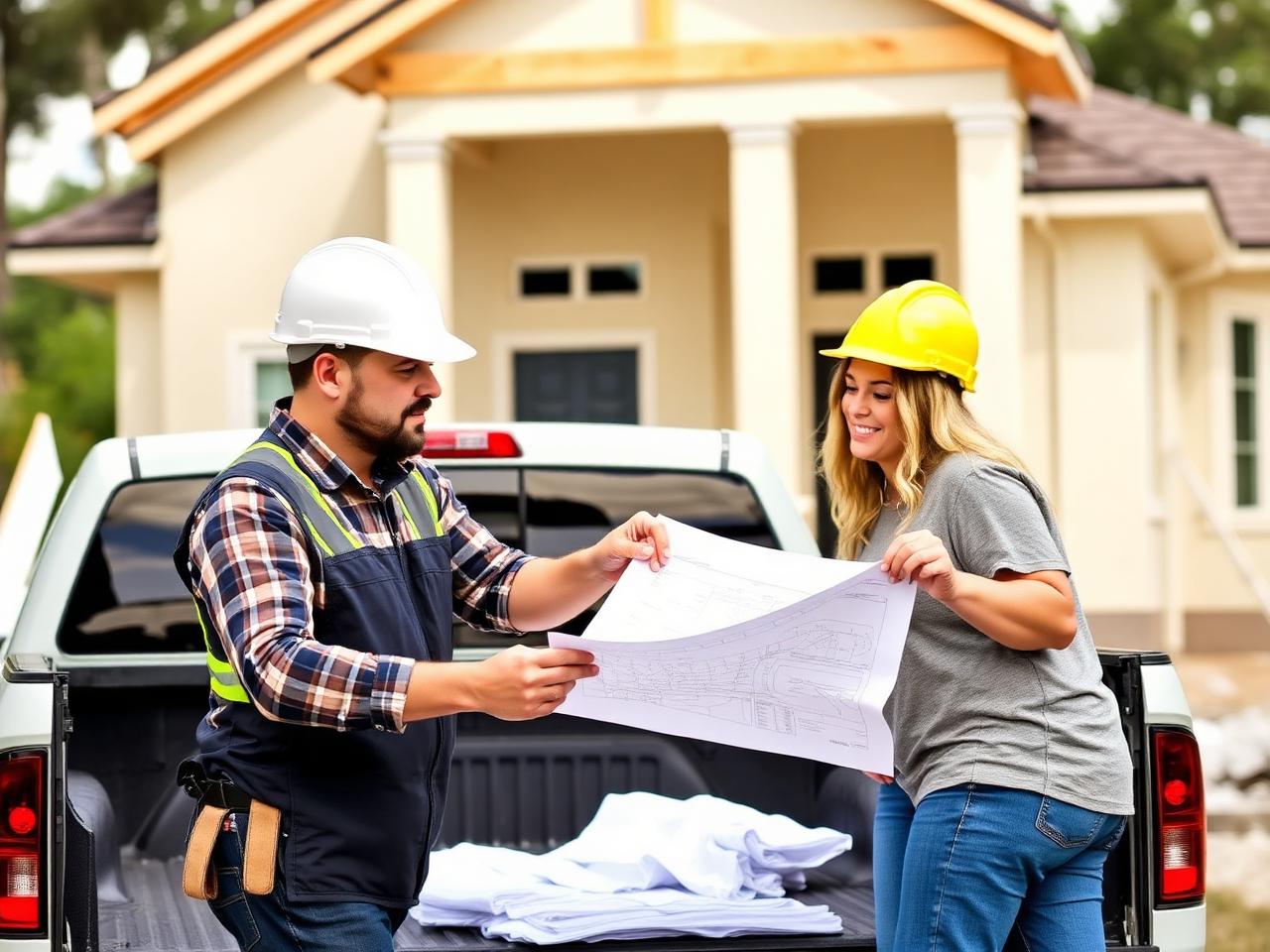
For veterans, this is often the most direct path to a custom Florida home built from the ground up, using a benefit they have already earned. But because fewer lenders offer VA construction financing compared with VA purchase loans, and because the program adds builder and inspection requirements a purchase loan does not have, it pays to understand the moving pieces before you commit to a lot or a builder.
Who qualifies to use VA construction financing
Eligibility for a VA construction loan starts with the same entitlement that governs any VA loan. Veterans, active-duty service members, certain National Guard and Reserve members, and eligible surviving spouses may qualify, and eligibility is documented through a Certificate of Eligibility (COE). The COE confirms how much entitlement you have available, which matters because construction projects sometimes involve larger loan amounts than a starter-home purchase.
Beyond entitlement, lenders apply their own credit, income, reserve and debt-to-income requirements on top of the baseline VA program rules. Two lenders can have meaningfully different overlays even though both are offering "a VA loan," which is one reason it is worth asking specifically about VA construction experience, not just VA lending in general.
The primary residence requirement
VA loans, including VA construction loans, are intended for a home the veteran or their spouse will occupy as a primary residence. This is not a minor detail for a build: it shapes the type of home you can finance (a single custom home rather than an investment or spec property), the occupancy certifications you will sign, and the timeline expectation once construction is complete. If your plans involve a second home, a rental, or a mixed-use parcel, that changes which loan program fits, and it is worth raising early.
Building on land you already own
Many Florida veterans come to this process already owning a lot — inherited, purchased years ago, or carved from a family parcel. In many cases the equity in that land can be applied toward the project instead of requiring separate cash, based on the appraised value, how the parcel was acquired, and whether it is free and clear. See our page on building on land you already own for more detail on how that works.
Buying land as part of the project
If you have not yet purchased a lot, a VA construction loan can sometimes fund the land purchase and the build together, depending on the lender's program structure. Our buy land and build in Florida guide covers the general sequencing — evaluating the parcel, securing a contract with adequate due diligence time, and lining up the builder — before the construction loan closes.
Builder requirements and builder registration
VA construction loans require the builder to be registered with the VA and to provide specific certifications about the construction, including a builder's warranty. Not every general contractor in Florida has gone through this process, and some builders who build excellent homes simply choose not to take on VA paperwork. Confirming your builder's willingness and ability to complete VA builder registration should happen before you sign a construction contract, not after.
Plans, specifications and the cost breakdown
Before the loan can move forward, the lender needs a complete set of plans and specifications along with a detailed cost breakdown from the builder. This documentation is what the appraiser uses to value the home "as completed," and it is also what the lender uses to structure the draw schedule. Vague allowances or missing line items tend to slow the process down, so a builder who is organized with paperwork is as valuable as one who is skilled with tools.
The proposed-construction appraisal and Notice of Value
Because the home does not exist yet, the appraisal is based on the plans, specifications and site rather than a finished structure. The VA appraiser issues a Notice of Value reflecting the home's estimated as-completed value, which becomes the basis for how much the loan can support. In parts of Florida with limited recent sales of comparable custom or rural homes, this appraisal step can take longer and may require the appraiser to look further afield for comparable sales.
Construction draws and inspections
Funds are released in draws tied to completed stages of construction — for example, foundation, framing, dry-in, and finish work — rather than as a single lump sum. VA construction loans generally require inspections at each stage to confirm the work matches the approved plans before funds are released. This protects both the borrower and the lender, but it also means the schedule depends on inspection availability and builder progress lining up.
If costs rise mid-build
Material costs, site conditions, and change orders can push a project above its original budget. How that gap gets funded — from a contingency reserve, from the borrower directly, or through a revised draw schedule — depends on the lender's construction agreement. Building in a realistic contingency at the outset, rather than assuming the original bid is final, is one of the more useful things a borrower can do before breaking ground.
Completion and conversion to permanent financing
Once construction is finished, a final inspection confirms the home was built according to the approved plans and is ready for occupancy. From there, the loan either converts directly into permanent VA financing under a one-time-close structure, or the borrower refinances into a permanent loan under a two-close structure. Which approach applies depends entirely on how the originating lender structures its VA construction product — see our construction loan process overview for how this compares with conventional construction-to-permanent financing.
The VA funding fee
Most VA loans, including construction loans, involve a funding fee that helps sustain the VA loan program. Some veterans are exempt — for example, in certain cases involving service-connected disability compensation — and the fee amount can vary based on factors like entitlement usage history and down payment. Because VA program terms are subject to change and exemptions depend on individual circumstances, this is not something to estimate on your own; confirm your specific situation with your lender.
Why two lenders can give different answers
The VA sets the baseline program rules, but individual lenders layer their own overlays on top — different credit thresholds, different reserve requirements, different comfort levels with rural or unusual properties. This is especially true for construction lending, where fewer lenders participate at all. If one lender tells you a scenario will not work, it is reasonable to check with another before assuming the answer is universal.
Florida-specific realities that affect a VA build
Windstorm and hurricane insurance
Insurability affects the loan file directly. In parts of coastal and high-wind Florida, the cost and availability of windstorm coverage can influence underwriting, and lenders will want assurance that adequate coverage can be obtained for the completed home before they finalize approval.
Flood zone, elevation and coastal construction
Flood zone designation can add elevation requirements, flood insurance costs, and construction techniques that affect the budget. Coastal parcels sometimes carry additional wind-load and tie-down requirements that a builder unfamiliar with the coast may not have priced correctly.
County permitting timelines
Permitting pace varies widely by Florida county and even by department within a county. A realistic construction schedule accounts for permitting time up front rather than assuming the builder's ideal-case estimate.
Well, septic and surveys on rural parcels
Rural and semi-rural Florida lots often need a private well and septic system rather than connecting to municipal utilities, which adds cost and permitting steps. A current survey showing setbacks, easements and any wetlands is worth obtaining before plans are finalized, not after.
Questions veterans ask about VA construction loans
What is a VA construction loan?
It is financing that uses a veteran's VA loan entitlement to fund the ground-up construction of a primary residence, rather than the purchase of an existing home. Requirements and availability vary by lender, since not every lender that offers VA purchase loans also offers VA construction financing.
Who is eligible for a VA construction loan in Florida?
Eligibility generally follows standard VA loan eligibility for veterans, active-duty service members, certain reservists and National Guard members, and eligible surviving spouses, with entitlement confirmed through a Certificate of Eligibility. Specific credit, income and entitlement requirements are set by the lender and the VA program guidelines in effect at the time.
Do I have to use a VA-registered builder?
Yes. The builder must go through a VA builder registration process and provide certifications about the construction before the loan can close. Not every Florida builder is registered or willing to complete this paperwork, so confirming this early avoids delays.
Can I build on land I already own with a VA loan?
In many cases, yes. Equity in land you already own can often be applied toward the project instead of contributing separate cash, subject to how the land was acquired, how it is titled, and the as-completed appraisal. Lender overlays can affect the details.
How does the VA funding fee work for construction loans?
Most VA loans include a funding fee, though some veterans are exempt based on service-connected disability status or other factors. The exact percentage varies by factors such as entitlement usage and down payment, and VA program terms are subject to change, so this should be confirmed for your specific file rather than assumed.
What happens if construction costs increase after the loan closes?
Cost overruns need to be addressed according to the lender's construction agreement, which may involve borrower funds, contingency reserves, or a change order process. This is a key reason to build a realistic contingency into the budget before closing rather than after the first draw.
Does a VA construction loan convert automatically to a permanent mortgage?
With a one-time-close structure, the construction financing converts to permanent VA financing at completion without a second closing. Two-close structures exist as well, where the borrower refinances into permanent financing once the home is finished. Which structure is offered depends on the lender.
Are VA construction loans harder to find in Florida than conventional construction loans?
They tend to be less widely offered than conventional construction financing simply because fewer lenders build out the builder-review and inspection infrastructure the VA program requires. Working with a lender familiar with VA construction specifically, rather than only VA purchase loans, matters.
Next steps
If you are an eligible veteran considering a Florida build, start with your Certificate of Eligibility and a builder who is willing to complete VA registration. From there, review our construction loan requirements page and reach out to The Built Mortgage Team to talk through your specific entitlement, land situation and builder.